The Importance of Raphia in Fashion
Raphia, a strikingly versatile material, has surged in popularity within the fashion industry, particularly for accessories like bags. Known for its natural beauty and durability, raphia captures not only the essence of craftsmanship but also the increasing demand for sustainable fashion choices. When exploring options, raphia offers a unique blend of aesthetics and functionality, making it a top contender for fashion-forward individuals.
Understanding Raphia: The Material and Its Origins
Raphia is derived from the leaves of the raphia palm, predominantly found in tropical regions of Africa and Madagascar. This palm tree is known for producing the longest leaves in the plant kingdom, which are harvested and processed to create various products, including bags. The process of harvesting and weaving raphia is particularly intricate; it often involves traditional techniques passed down through generations, showcasing not just a material but a cultural heritage.
The Craftsmanship Behind Raphia Bags
The artisanal quality of raphia bags is unmatched. Each piece is carefully woven by skilled craftspeople, resulting in products that reflect individual stories and creativity. The use of raphia requires not just skill but also an artistic vision, as colours and patterns are chosen to enhance the natural beauty of the material. This craftsmanship results in bags that are not only stylish but also carry a sense of authenticity that mass-produced items often lack.
Raphia as a Sustainable Fashion Choice
In today’s eco-conscious world, consumers are increasingly looking for sustainable options. Raphia is a biodegradable and renewable resource, making it an excellent alternative to synthetic materials that contribute to environmental pollution. Moreover, the production process of raphia bags supports local economies and traditional crafting techniques, reinforcing sustainability through ethical practices.
How to Select the Perfect Raphia Bag
Choosing the right raphia bag involves understanding both your personal style and the characteristics of quality craftsmanship. As these bags have varying designs, sizes, and patterns, it’s essential to find one that complements your lifestyle while also meeting your aesthetic preferences.
Identifying Quality Raphia Products
When shopping for raphia bags, look for signs of quality. High-quality raphia should feel sturdy yet flexible, and the weaving should display tight and even patterns. Inspect for any loose threads or inconsistencies, which may indicate poor craftsmanship. Additionally, consider the finish; well-made bags often have reinforced seams and linings that enhance their durability.
Styles and Trends in Raphia Fashion for 2026
As we look ahead to 2026, raphia is set to be a major trend in fashion. Expect to see contemporary designers incorporating bold colours and innovative designs alongside traditional styles. Minimalistic designs will also gain traction, focusing on the natural aesthetics of raphia. Furthermore, collaboration between designers and artisans is anticipated, pushing the boundaries of how raphia is perceived in modern fashion.
Choosing the Right Size and Design for Your Needs
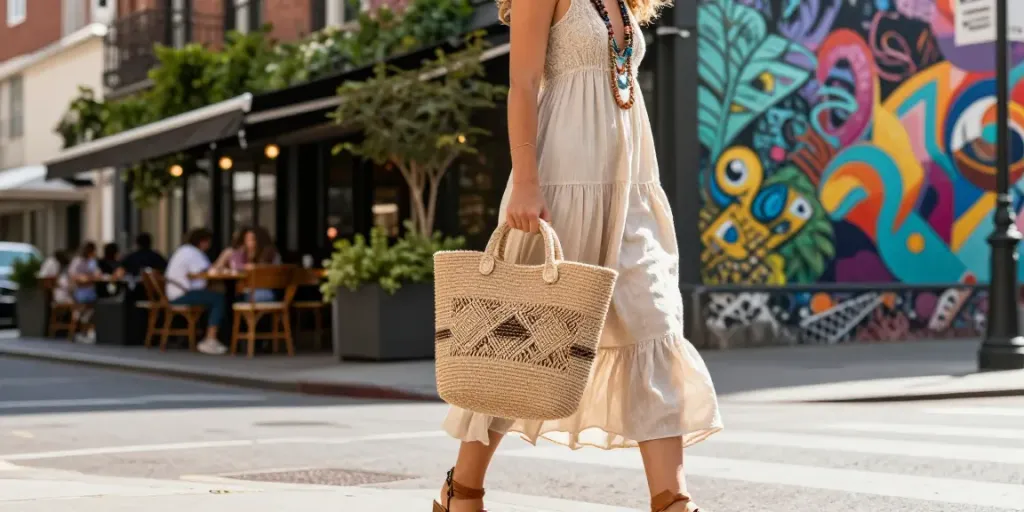
When selecting a raphia bag, consider your daily activities and what you typically carry. Smaller bags are perfect for essentials, making them ideal for casual outings, while larger tote styles can accommodate more items, making them suitable for shopping or work. Also, think about the occasion; a structured raphia handbag can elevate formal outfits, while a slouchy bag can complement relaxed ensembles.
Maintaining Your Raphia Bag for Longevity
To ensure your raphia bag lasts for years, proper maintenance is crucial. With its natural fibres, raphia requires specific care to retain its beauty and function.
Cleaning and Care Tips for Raphia Products
Cleaning raphia requires a gentle touch. Use a soft, dry cloth to remove dust and debris regularly. For stains, lightly dab the affected area with a damp cloth and mild soap, avoiding soaking the bag as excess moisture can damage the fibres. Always air dry the bag away from direct sunlight to prevent fading and warping.
Storage Solutions to Preserve Your Bags
Proper storage is vital for maintaining the shape and condition of your raphia bags. Store them in a cool, dry place, preferably in a dust bag that allows ventilation. Avoid stuffing them too tightly with items as this can lead to deformation over time. Placing a natural moth repellent can also help protect your bags from pests without introducing harmful chemicals.
Recognizing Signs of Wear and When to Repair
With regular use, wear and tear on your raphia bag is inevitable. Look out for signs such as fraying edges, loose weaves, or fading colours. Addressing these issues promptly can prevent further damage. Consider visiting an artisan familiar with raphia to perform repairs, as they can ensure the integrity of the bag is preserved while restoring its appearance.
Exploring the Cultural Significance of Raphia
Raphia is more than just a material; it embodies rich cultural narratives, particularly within Malagasy communities where the palm thrives. Understanding its significance adds a deeper layer to your raphia purchases.
Raphia in Malagasy Culture and Crafts
In Madagascar, raphia has been integral to local craftsmanship for centuries. Artisans use raphia to create functional and decorative items ranging from baskets to textiles. The craftsmanship involved is not only a source of income but also a means of preserving cultural identity, as each piece often reflects traditional designs and techniques.
Contemporary Artisans Reviving Traditional Techniques
Many contemporary artisans are reviving ancient raphia weaving methods, blending them with modern aesthetics. By doing so, they are keeping traditions alive while also appealing to today's consumers who value authenticity and sustainability. Supporting these artisans helps sustain their livelihoods and promotes cultural heritage.
Global Trends: How Raphia is Used Worldwide
Globally, raphia has found its way into various fashion markets, being embraced not just for bags but also for hats, shoes, and home decor. The versatility of raphia has led to its inclusion in both high fashion and everyday wear, making it a ubiquitous choice across different cultures and styles.
Future Trends in Raphia Fashion
As we advance in the realm of fashion, raphia is poised to maintain its relevance, evolving with consumer demands and environmental considerations.
Innovations in Raphia Crafting Techniques
Future innovations in raphia crafting are expected to include experimental weaving techniques and the incorporation of mixed materials. Designers are likely to experiment with combining raphia with leather, cotton, and other sustainable materials to create hybrid bags that appeal to a broader audience while retaining the unique qualities of raphia.
The Role of Raphia in Eco-Friendly Fashion Movements
With the fashion industry increasingly moving towards eco-friendliness, raphia stands out as a prime example of sustainable materials. Its natural properties and minimal environmental footprint highlight its suitability within eco-conscious fashion movements. Expect to see more brands embracing raphia as a cornerstone of their sustainable collections.
Anticipating Raphia’s Popularity in 2026 and Beyond
Looking towards 2026 and beyond, raphia is expected to continue evolving as a fashion statement. The desire for unique, ethically produced items will drive consumers towards artisanal raphia products, creating a growing market for handcrafted accessories that tell a story. As awareness of sustainability rises, so too will the appreciation for materials like raphia that embody both style and conscience.
What are the benefits of using raphia?
Raphia is a sustainable, biodegradable material that offers durability and versatility in fashion. It is lightweight, making it comfortable to carry, while its unique texture and natural aesthetic enhance the visual appeal of products.
How can I care for my raphia bag?
Caring for a raphia bag involves gentle cleaning with a soft cloth, avoiding excessive moisture, and proper storage to maintain its shape. Regular maintenance contributes to the longevity of the bag.
What should I consider when buying a raphia product?
When purchasing a raphia product, assess the quality of craftsmanship, the design's suitability for your needs, and the ethical practices of the brand. Look for products that reflect your personal style while supporting sustainable practices.
Are there any fashion trends related to raphia for 2026?
In 2026, expect raphia to feature prominently in minimalist designs, bold colour combinations, and innovative product types. Collaborations between traditional artisans and contemporary designers will also shape the trends.
Where does raphia originate from?
Raphia originates from the raphia palm, primarily found in tropical regions of Africa, including Madagascar. Its use has cultural significance in these regions, where it has been woven into traditional crafts for centuries.