
Introduction to Window Tinting and Its Benefits
Window tinting has become an increasingly popular choice for vehicle owners looking to enhance both aesthetics and functionality. Many individuals searching for window tint near me are discovering the myriad benefits associated with investing in quality tinting solutions. This comprehensive guide will explore the various aspects of window tinting, from understanding what it is to the advantages it offers, as well as how to choose the right tint for your vehicle.
What Is Window Tinting?
Window tinting refers to applying a thin film to the windows of vehicles, homes, or commercial properties to reduce the amount of sunlight and heat entering a space. This film is typically made from polyester and comes in various shades and levels of opacity. The primary purpose of window tinting is to enhance privacy, reduce glare, and improve energy efficiency, although many people also choose it for aesthetic reasons.
Key Advantages of Window Tint Near Me
When searching for window tint near me, you will find numerous advantages that may make the choice worthwhile:
- UV Protection: Window tinting blocks a significant percentage of harmful ultraviolet rays, which can lead to skin cancer and premature aging.
- Heat Reduction: Tinted windows can dramatically lower the interior temperature of a vehicle or room, leading to reduced air conditioning costs and improved comfort.
- Enhanced Privacy: Window films come in various shades, allowing you to maintain privacy while still viewing the outside.
- Safety and Security: The film applied to the windows can hold shattered glass together, providing an additional layer of protection against accidents and break-ins.
- Improved Aesthetics: Tinted windows can enhance the overall look of your vehicle or property, adding a sleek and polished appearance.
Understanding Different Tint Types
Several different types of window tints are available, each offering distinct advantages:
- Dye-Based Film: This is one of the most common types, utilizing dye to achieve color but offering minimal heat rejection.
- Metalized Film: This type has metal particles embedded, providing better heat rejection and durability while also adding a reflective appearance.
- Carbon Film: Carbon tinting offers excellent UV protection and heat rejection without the mirror-like effects of metalized films, making it a popular choice.
- Ceramic Film: One of the most advanced options, ceramic tints offer high heat rejection, UV protection, and do not interfere with electronics.
Choosing the Right Window Tint for Your Needs
When deciding on the perfect window tint for your vehicle or property, several factors should be considered to ensure that your specific needs are met.
Factors to Consider When Selecting Tint
The following factors should influence your decision-making process:
- Heat Resistance: Aim for films that offer high heat rejection and are designed to keep interiors cooler.
- UV Protection: Choose films that block at least 99% of UV rays for better skin protection.
- Visible Light Transmission (VLT): Different tints have varying levels of VLT, which affects how much light enters the space. Choose a tint that balances visibility and privacy.
- Durability: Opt for high-quality films that resist scratches and fading to maximize longevity.
Common Tinting Myths Debunked
Several misconceptions surround window tinting; debunking these can help buyers make informed decisions:
- Myth 1: All window tints are illegal.
Fact: Legality depends on local regulations, with some states allowing certain levels of tint. - Myth 2: Window tinting makes it difficult to see at night.
Fact: Quality tints provide good visibility at night while maintaining privacy during the day. - Myth 3: Tinted windows are only for aesthetics.
Fact: Numerous practical benefits come with professional tinting.
Legal Considerations for Car Window Tint
Before proceeding with tinting, it’s crucial to review local laws, as they dictate the allowable tint limits on various vehicles. Factors like VLT percentages can vary significantly between jurisdictions, affecting how dark your tint can be. Ensuring compliance with these regulations helps avoid potential fines and ensures a hassle-free experience.
The Window Tinting Process Explained
The tinting process may seem complex, but understanding it can help set expectations and ease concerns.
Step-by-Step Guide to Tinting
The typical window tinting process includes the following steps:
- Assessment: Evaluate the windows to determine the type and amount of tint required.
- Cleaning: Thoroughly clean the windows to ensure optimal adhesion.
- Measurement & Cutting: Films are meticulously measured and cut to fit specific window shapes.
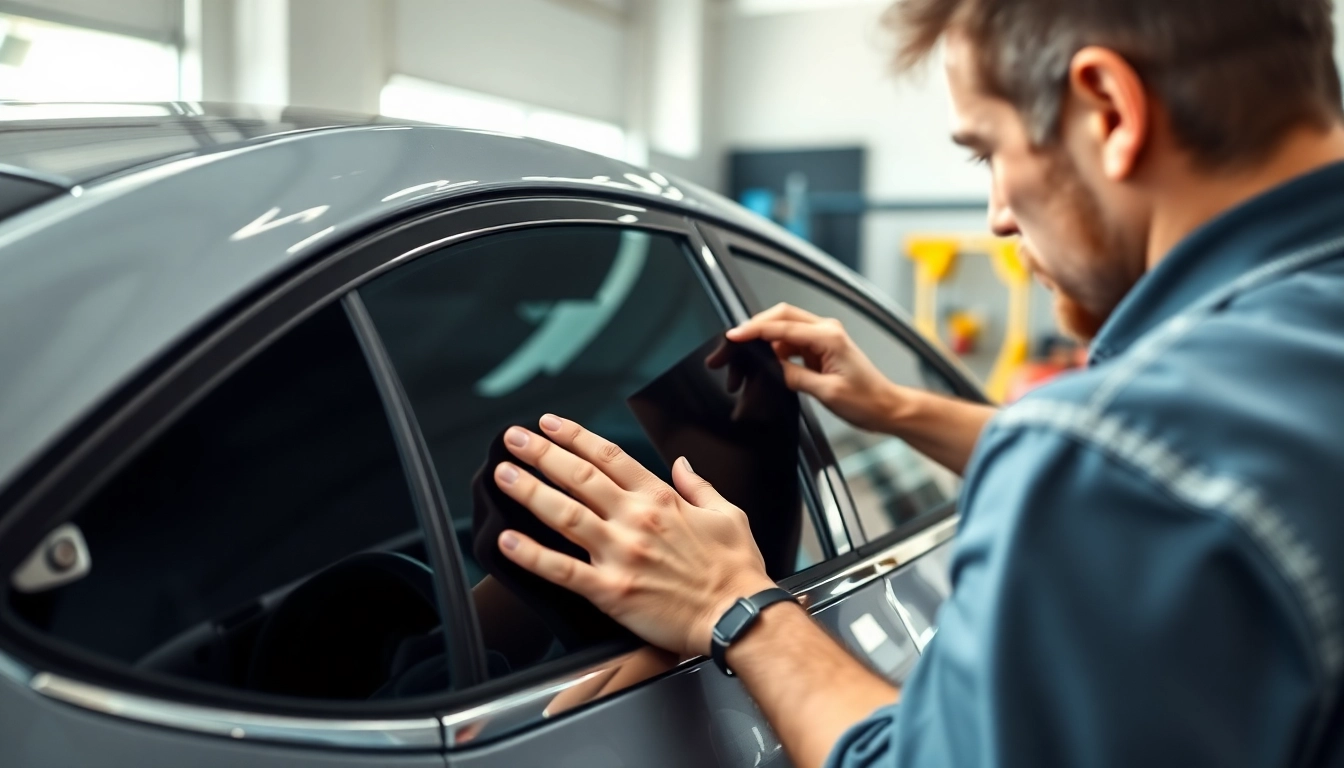
- Application: Skilled technicians apply the tint using specialized tools to avoid bubbles and imperfections.
- Final Inspection: Inspecting the work and ensuring customer satisfaction before the job is considered complete.
Pre-Tinting Preparations
Before arriving at the tinting shop, consider these preparatory steps:
- Remove any accessories near the windows such as stickers or window visors.
- Ensure the vehicle is clean and free from personal belongings.
- Communicate any specific requirements or preferences with the technician ahead of time.
Post-Installation Care Tips
Proper care after installation will prolong the life of your window tint:
- Avoid rolling down windows for at least three to five days to let the film adhere properly.
- Do not use abrasive cleaners; instead, opt for a soft cloth and a gentle cleaning solution.
- Be mindful of sharp objects near tinted windows that may cause scratches.
Cost Factors of Window Tint Near Me
The cost of window tinting can differ based on various factors, making an understanding of these factors key to budgeting appropriately.
Average Pricing Scenarios
Generally, the average cost of window tinting services ranges from $100 to $400 for a vehicle, depending on the number of windows and the type of film selected. Luxury vehicles or specialized applications may exceed this range.
What Influences Tinting Costs?
Several key components influence overall costs:
- Film Quality: Higher-quality films may have a higher upfront cost but offer better performance and durability.
- Installation Labor: Skilled labor costs can vary by location and expertise, impacting the final price.
- Type of Vehicle: Larger vehicles often require more material and labor compared to smaller ones.
Return on Investment Analysis for Tinting
Investing in window tinting can yield significant returns in comfort, energy savings, and increased vehicle resale value. By reducing interior temperatures and protecting upholstery from fading, the cost of tinting can often be recouped over time through savings on energy bills and vehicle maintenance costs.
Frequently Asked Questions about Window Tint
How long does window tinting last?
Quality window tinting typically lasts between 5 to 10 years, depending on the film quality and care provided during and after installation.
Can I wash my car after tint installation?
It’s advisable to wait at least 3 to 5 days before washing your car, ensuring the film adheres securely to the glass.
Is window tinting worth it for safety?
Window tinting enhances safety by reducing glare and holding shattered glass together, providing additional protection during accidents.
What is the typical installation time?
Generally, the installation can take a few hours, depending on the number of windows and the complexity of the tinting job.
Are there warranties on window tint products?
Many window tint films come with a manufacturer’s warranty covering defects and fading, often lasting from 5 to 15 years.
